How to identify the ideal buildable lot for your clients
A Cheat Sheet for Real Estate Agents or Buyers
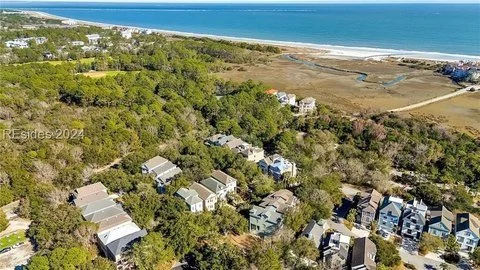
If you have a client who is interesting in building a custom home, you are likely on the hunt the perfect buildable lot. Use this handy land-valuation checklist to avoid surprises, manage costs, and ensure your clients land is ideal for building their custom home on Hilton Head Island.
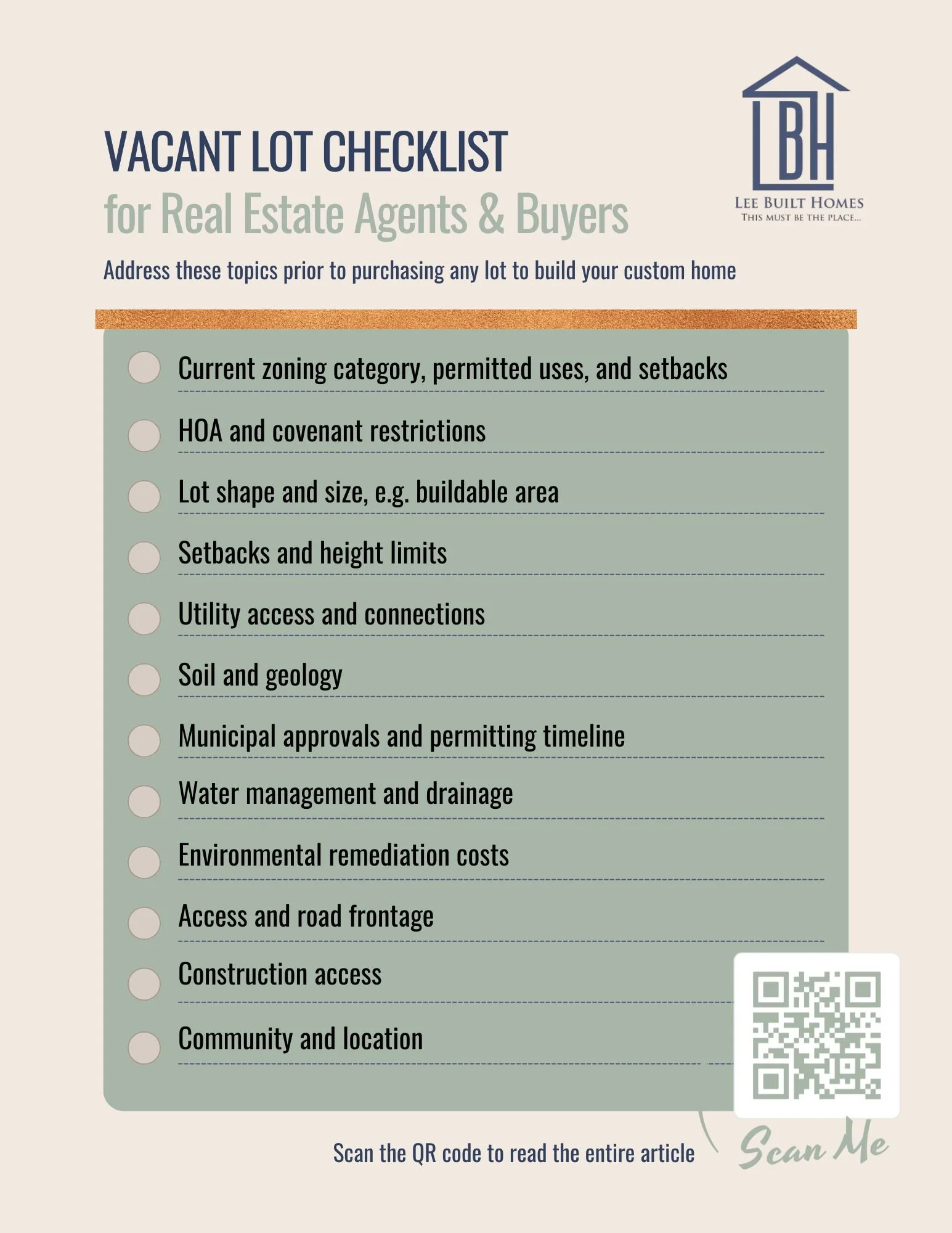
Vacant lot considerations if you want to build your custom home:
Location and community: Is the area up-and-coming or stable? Any announced zoning changes or large developments nearby?
Zoning and land use
Current zoning category, permitted uses, and setbacks.
Any overlay districts (such as historic, conservation, agricultural).
HOA and covenants
o Are there homeowners’ association rules, design guidelines, or land-use restrictions?
o Are there recurring dues, fines, and approval processes for exterior changes?
Lot size and shape
Buildable area vs. setbacks vs. any easements.
Irregular shape or steep grades that complicate layout or access.
Setbacks and height limits
Front, side, and rear setbacks; maximum building height; impervious surface limits.
Utility access and connections
Availability and proximity of electricity, natural gas, water, sewer, or septic feasibility.
Drainage, stormwater, and potential need for well or septic permits.
Soil and geology
Soil type, bearing capacity, rock, and groundwater issues.
Requirement for geotechnical investigation or rock removal.
Municipal approvals and permitting timelines
Required site plan approvals, building permits, and estimated review times.
Water management and drainage
Site grading plan, retention/ detention requirements, and erosion control.
Environmental remediation costs
Any needed mitigations for polluted soil, groundwater contamination, or invasive species.
Access and road frontage
Right-of-way, easements, shared drive agreements, and access rights.
Road surface quality, maintenance responsibilities, and seasonal accessibility.
Construction access
On-site turning radius, street access, and staging areas for construction equipment.
Practical Questions to consider:
· What is the most feasible building envelope on this lot (location of house, driveway, garage)?
· Are there any natural features you want to preserve (trees, rock outcrops) and how do they affect design?
· Where will the best solar orientation and privacy come from?
· Are there any easements that restrict where you can put structures or driveways
Next, you will want to collect and review documentation such as:
· Property deed and legal description
· Recent survey or boundary verification
· Zoning map and official community plan
· Wetlands, floodplain, or environmental reports (if applicable)
· Geotechnical report or soil tests (often required before heavy foundation work)
· Utility availability letters or estimates
· HOA documents (if applicable)
Lastly, create your team. If you’ve identified a lot that you think would be good for your client, help them build their team. You can make recommendations of professionals that you trust, adding credibility to your name and brand. You will want to:
· Engage early with a local architect who understands the area’s codes and typical lot constraints.
· Consult a civil engineer for grading, drainage, and utility routing
· Contact Lee Built Homes or local custom home builder on Hilton Head Island to engage in a discussion about building feasibility.